
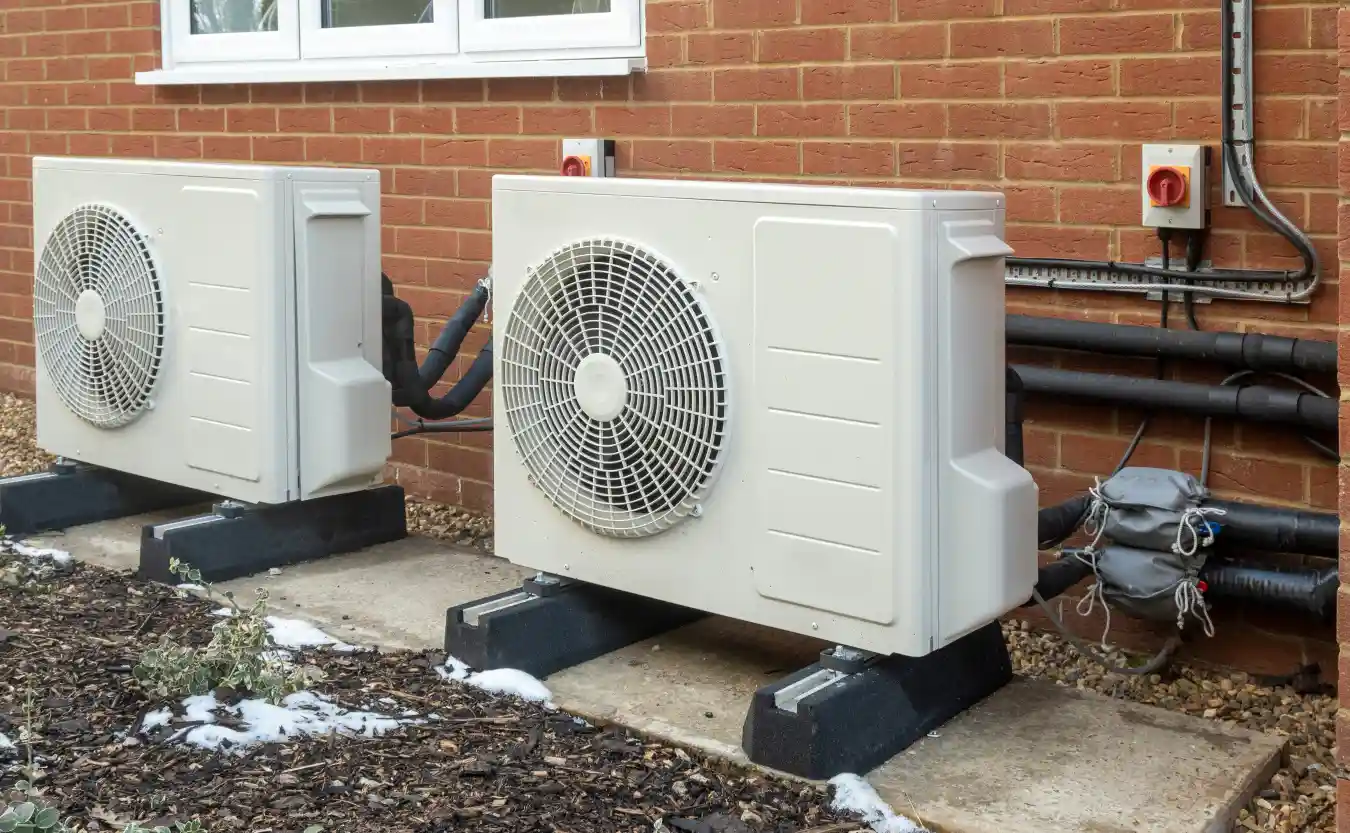
If you’re replacing your heating system in New York City, you’re facing a question that didn’t exist a decade ago: Should you stick with a traditional gas furnace, or switch to a heat pump? It’s no longer a simple choice — and the answer depends on your building, your budget, your priorities, and how you expect energy prices to change over the next 15-20 years.
Both technologies work. Both can keep you comfortable through New York’s brutal winters and humid summers. But they work in fundamentally different ways, cost different amounts to install and operate, and face very different regulatory futures.
Here’s what you need to know to make the right decision for your home.
How Each System Actually Works
Understanding the difference between these two technologies starts with understanding basic physics — and why that physics makes heat pumps so intriguing for energy efficiency.
Gas Furnaces: Creating Heat Through Combustion
A gas furnace burns natural gas to create heat. The flame heats a metal heat exchanger, and a blower pushes air across that exchanger into your ductwork. It’s simple, proven technology that’s been heating American homes for decades.
The efficiency of a gas furnace is measured by AFUE (Annual Fuel Utilization Efficiency). A 96% AFUE furnace converts 96% of the gas it burns into usable heat — the other 4% exits through the exhaust. That’s very good, but it’s also the ceiling: you can never get more heat out than the energy you put in through fuel.
Heat Pumps: Moving Heat Instead of Creating It
A heat pump doesn’t create heat — it moves it. Using a refrigeration cycle (the same technology as your refrigerator or air conditioner), it extracts heat from outdoor air and transfers it inside. In summer, it reverses direction and works as an air conditioner.
Because moving heat takes less energy than creating it, heat pumps can deliver 2-4 times more heating energy than the electricity they consume. This thermodynamic advantage is why efficiency enthusiasts are so excited about them.
Heat pump efficiency is measured by COP (Coefficient of Performance). A COP of 3.0 means the system delivers 3 units of heat for every 1 unit of electricity consumed — effectively 300% efficiency compared to electric resistance heat’s 100%.
The Cold Weather Question: Do Heat Pumps Work in NYC Winters?
This is the question everyone asks — and the answer has changed dramatically in the past decade.
The Old Reputation (and Why It’s Outdated)
Heat pumps developed a reputation for poor cold-weather performance because older models struggled when temperatures dropped below freezing. By the time it hit 20°F, many older heat pumps were barely better than expensive electric resistance heating.
That reputation was earned — in the 1990s and early 2000s.
It’s 2026 now, and the technology has fundamentally changed.
Modern Cold-Climate Heat Pumps: A Different Technology
Today’s cold-climate heat pumps (CCHPs) use variable-speed inverter compressors, enhanced heat exchangers, and improved refrigerants that maintain efficiency at temperatures previous generations couldn’t handle.
Real performance numbers from current systems:
-
At 47°F: COP of 3.5-5.0 (delivering 3.5-5 units of heat per unit of electricity)
-
At 17°F: COP of 2.0-3.0
-
At 5°F: COP of 2.0-2.5
-
At 0°F: COP of 1.5-2.0 (still 50-100% more efficient than electric resistance)
According to the Department of Energy’s Cold Climate Heat Pump Challenge, modern CCHPs maintain 70%+ of their rated heating capacity at -15°F while delivering 200-350% efficiency. Top-tier models from Mitsubishi (Hyper-Heat), Fujitsu (XLTH), and Daikin operate reliably to -13°F or below.
For New York City — where temperatures rarely drop below 10°F and average January lows are around 28°F — modern cold-climate heat pumps work.
What About the Coldest Days?
Even in NYC’s coldest snaps (single digits or below), heat pumps continue operating — just at reduced efficiency. Most cold-climate systems have backup electric resistance strips that engage during defrost cycles or extreme cold. Some homeowners choose “dual fuel” systems that pair a heat pump with a gas furnace backup that kicks in only on the coldest days.
The key insight: even at 0°F with a COP of 1.5, a heat pump still costs less to operate than oil heat and about the same as gas — while producing zero on-site emissions.
Installation Costs: The Upfront Investment
Heat pumps cost more to install — but the comparison isn’t always straightforward because heat pumps replace both your furnace and your air conditioner.
2026 NYC Installation Cost Estimates:
Gas Furnace + Central AC (Traditional Split System):
-
High-efficiency gas furnace (96%+ AFUE): $3,500-$6,000 installed
-
Central AC (16 SEER): $4,000-$7,000 installed
-
Combined total: $7,500-$13,000
Central Air-Source Heat Pump (Ducted):
-
Cold-climate heat pump system: $8,000-$15,000 installed
-
Provides both heating AND cooling from one unit
Ductless Mini-Split Heat Pump:
-
Single-zone system: $4,000-$8,000 installed
-
Multi-zone (3-4 indoor units): $12,000-$20,000+ installed
-
No ductwork required — ideal for older NYC buildings
The Incentive Game-Changer
In New York, incentives can dramatically reduce heat pump costs:
-
Con Edison Clean Heat rebates: $2,000-$10,000 depending on system type and whether you’re in a Disadvantaged Community
-
NYSERDA Clean Heat: $1,000-$3,000+ for whole-home heat pumps
-
Federal tax credit (25C): 30% of equipment cost, up to $2,000/year
-
EmPower+ (income-qualified): Up to $10,000 — sometimes making the system nearly free
-
Total potential savings: $5,000-$15,000+
After incentives, a cold-climate heat pump that provides both heating and cooling can cost about the same as — or less than — a traditional furnace + AC combination. The math has fundamentally changed.
Operating Costs: Where NYC’s Energy Prices Matter
This is where the decision gets complicated, because NYC has an unusual energy price structure.
NYC Energy Prices (2026):
-
Electricity: 27-31 cents per kWh (50% above national average)
-
Natural gas: $1.80-$2.00 per therm (22% above national average)
Both energy sources are expensive in NYC — but electricity is relatively more expensive. This narrows the operating cost advantage of heat pumps compared to regions with cheaper electricity.
Running the Numbers: Annual Heating Costs
For a typical 1,500 sq ft NYC apartment using approximately 50 million BTU of heating per year:
96% Efficient Gas Furnace:
-
50 million BTU ÷ 0.96 efficiency = 52 million BTU input needed
-
52 million BTU ÷ 100,000 BTU/therm = 520 therms
-
520 therms × $1.90/therm = ~$990/year
Cold-Climate Heat Pump (Seasonal COP 2.5):
-
50 million BTU ÷ 2.5 COP = 20 million BTU of electricity needed
-
20 million BTU ÷ 3,412 BTU/kWh = 5,860 kWh
-
5,860 kWh × $0.29/kWh = ~$1,700/year
In this scenario, the gas furnace costs less to operate — approximately $700 per year less. This reflects NYC’s particularly high electricity prices relative to gas.
But Wait — What About Cooling?
Heat pumps provide cooling at high efficiency (SEER 18-22 for cold-climate models). If you’re comparing a heat pump to a furnace + AC system, you need to include cooling costs. High-efficiency heat pumps can reduce summer cooling bills by 20-40% compared to older AC units.
When you add the cooling savings, the annual operating cost difference shrinks — and in some cases, the heat pump comes out ahead on total annual energy costs.
The Regulatory Future: Local Law 97 and Beyond
New York City and State are pushing hard toward electrification, and this affects long-term planning.
Local Law 97
NYC’s Local Law 97 sets carbon emissions limits for buildings over 25,000 square feet. Buildings that exceed limits face penalties of $268 per ton of excess CO2. For large buildings, this creates strong financial pressure to electrify heating systems.
New York State’s 2030 Goals
New York State has proposed banning new gas and oil heating equipment in new construction starting in 2026-2028, with potential restrictions on replacements in existing buildings beginning around 2030. While implementation details are still evolving, the direction is clear: electrification is the future.
What This Means for Your Decision
If you install a gas furnace today, you can expect it to last 15-20 years. By 2040-2045, when it needs replacement, gas equipment may be restricted or unavailable. You may be forced to switch to electric at that point anyway — potentially during an emergency replacement situation with limited time to plan.
Installing a heat pump now means you’re already compliant with the direction regulations are heading. You avoid a future forced transition and position yourself ahead of what may be a rush to electrify.
Comfort and Air Quality
Beyond costs and regulations, there are real differences in how these systems feel to live with.
Gas Furnace Comfort
-
Produces 120-140°F supply air — noticeably warm when it comes out of the vents
-
Operates in on/off cycles, creating temperature swings
-
Can feel “bursty” — hot air for a while, then nothing until the next cycle
-
Dries air more aggressively (combustion removes moisture)
Heat Pump Comfort
-
Produces 90-110°F supply air — warm, but not as hot as furnace output
-
Variable-speed systems run continuously at lower capacity, maintaining steadier temperatures
-
Less dramatic temperature swings — more even comfort throughout the day
-
Doesn’t dry air as aggressively — some homeowners find heat pump air more comfortable
Some people prefer the “blast of heat” feeling from a furnace. Others prefer the gentler, more consistent warmth of a variable-speed heat pump. Neither is objectively better — it’s personal preference.
Safety Considerations
Heat pumps have one clear safety advantage: no combustion, no carbon monoxide risk. Gas furnaces require proper venting and regular inspection to prevent CO exposure. A cracked heat exchanger in a gas furnace can be life-threatening; heat pumps have no comparable risk.
Lifespan and Maintenance
Expected Lifespan:
-
Gas furnace: 15-25 years
-
Heat pump: 15-20 years (indoor unit may last longer; outdoor unit sees more wear from year-round use)
Maintenance Requirements:
Both systems need annual professional maintenance. Heat pumps work year-round (heating and cooling), so they accumulate more runtime hours than a furnace that only operates in winter. However, heat pumps have fewer components that can fail catastrophically — no heat exchanger to crack, no gas valve to malfunction.
Annual maintenance costs: $100-$300 for either system.
Special Considerations for NYC Buildings
Pre-War Buildings Without Ductwork
Many older NYC buildings have steam radiators and no ductwork. Installing a ducted heat pump would require adding ducts — expensive and often impractical in historic buildings.
Solution: Ductless mini-split heat pumps. These require only a 3-inch hole through the wall to connect indoor and outdoor units. They’re ideal for supplementing unreliable steam heat or adding cooling to buildings that never had AC.
Apartments with Steam Heat
If your building provides steam heat (as over 80% of NYC’s large multifamily buildings do), you can’t replace the heating system — it’s controlled by the building. But you can add a ductless heat pump for:
-
Air conditioning in summer (often unavailable in older buildings)
-
Supplemental heat on cold days when steam doesn’t keep up
-
Temperature control when steam overheats your apartment
Co-op and Condo Considerations
Before installing any heat pump, you’ll need board approval for the outdoor unit placement. Rooftops, balconies, and rear yards are common locations. Factor in 2-4 weeks for approval in standard co-ops; longer in landmark buildings.
Who Should Choose a Heat Pump?
A heat pump makes the most sense if:
-
You’re replacing both a furnace AND AC (you’re already spending on two systems)
-
You’re adding cooling to a building that doesn’t have it
-
You plan to stay in your home 10+ years and can capture long-term savings
-
You want to future-proof against electrification mandates
-
You qualify for substantial rebates that bring costs down
Who Should Choose a Gas Furnace?
A gas furnace may still make sense if:
-
You’re only replacing the furnace (your AC is newer and working fine)
-
Upfront cost is your primary constraint and incentives don’t bridge the gap
-
You strongly prefer the “hot air” feel of furnace heating
-
You’re in a small single-family home in a less regulated area
The Hybrid Option: Best of Both Worlds
Can’t decide? A dual-fuel system combines a heat pump with a gas furnace backup. The heat pump handles 80-95% of heating (all the mild and moderately cold days). The furnace kicks in only on the coldest days when heat pump efficiency drops.
Advantages:
-
Heat pump efficiency for most of the heating season
-
Gas furnace reliability during extreme cold
-
Avoids auxiliary electric resistance strips (which are expensive to operate)
Disadvantages:
-
Higher installation cost (you’re buying two systems)
-
More maintenance (two systems to service)
-
Still relies on gas infrastructure that may face future restrictions
Final Thoughts
The heat pump vs. furnace decision is no longer as simple as “gas is cheaper.” Modern cold-climate heat pumps work in NYC winters. Incentives have dramatically changed the upfront cost equation. And regulations are pushing buildings toward electrification.
For most NYC homeowners replacing their heating and cooling systems today, a cold-climate heat pump deserves serious consideration — especially after factoring in available rebates and tax credits. The economics now favor heat pumps in many scenarios, and the technology has proven itself.
That said, there’s no universal answer. Your building’s infrastructure, your utility rates, your access to incentives, and your personal preferences all factor in. The right choice is the one that fits your specific situation.
🔥 Whether you choose heat pump or furnace, choose wisely — this decision will affect your comfort and your energy bills for the next two decades.