
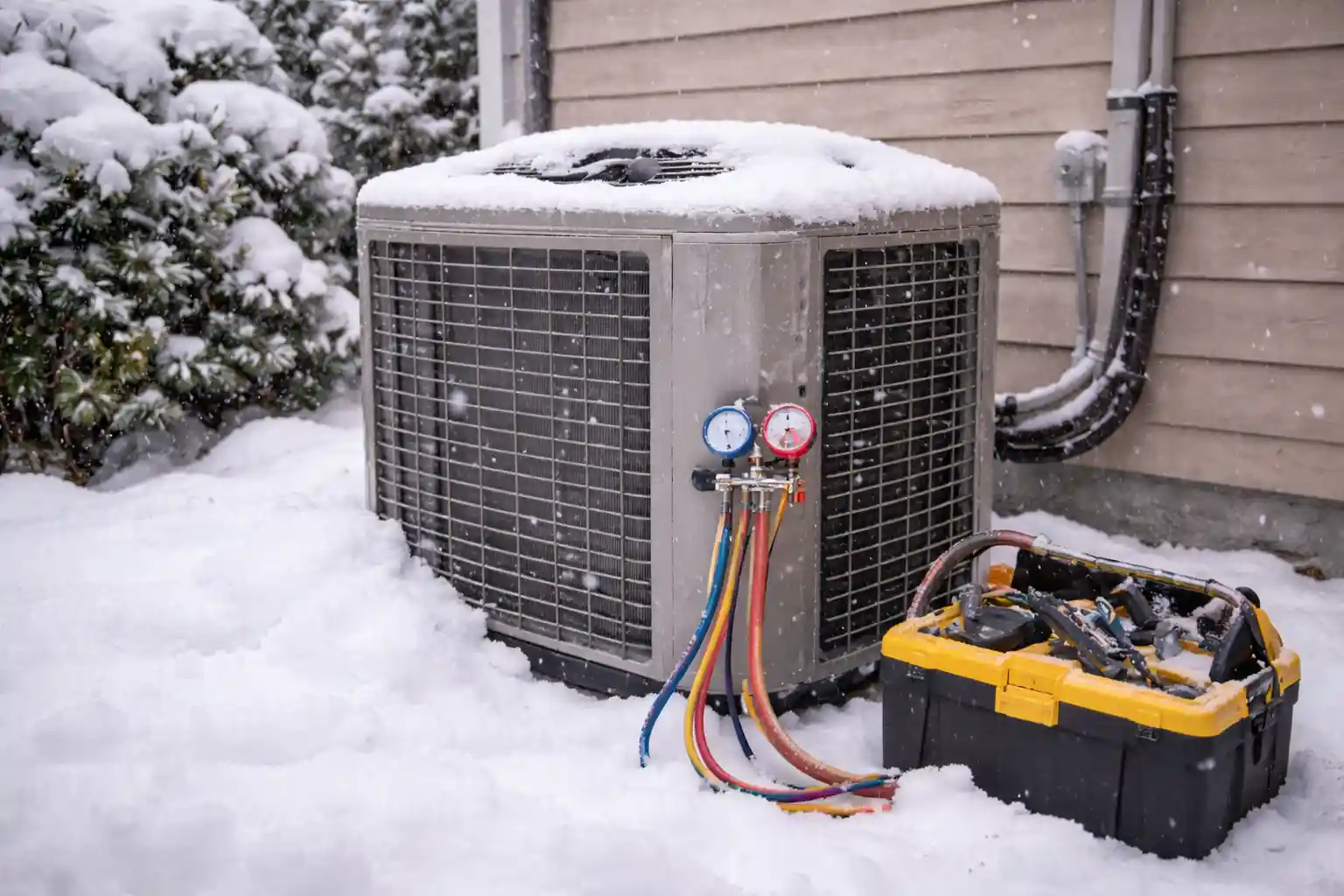
It’s 2 AM on the coldest night of January. Your furnace just stopped working. Or maybe it’s a sweltering August weekend and your AC died. Either way, you’re facing every New York City homeowner’s nightmare: an HVAC emergency at the worst possible time.
Knowing what constitutes a true emergency, who to call, what it will cost, and what you can do while waiting for help can make the difference between a manageable situation and a dangerous one.
Here’s everything NYC residents need to know about emergency HVAC services.
What Counts as a True HVAC Emergency?
Not every HVAC problem requires emergency service — and understanding the difference can save you hundreds of dollars in after-hours fees. But some situations genuinely can’t wait.
Call for Emergency Service Immediately If:
Your carbon monoxide detector is alarming.
This is a life-threatening emergency. Carbon monoxide is colorless and odorless — you can’t detect it without a working detector. If your CO alarm sounds, evacuate everyone immediately, get outside, and call 911 first, then your HVAC company. Don’t re-enter until emergency responders clear the building.
You smell gas.
Natural gas has a distinctive rotten egg smell (added for safety). If you smell it, don’t flip light switches, use phones inside, or create any sparks. Evacuate and call Con Edison’s gas emergency line (1-800-752-6633) and 911 from outside the building.
Your heat is completely out during freezing temperatures.
In NYC’s coldest weather, a building without heat can reach pipe-freezing temperatures within hours. Frozen pipes can burst, causing thousands of dollars in water damage. This is a true emergency, especially if you have elderly family members, infants, or people with health conditions.
Your furnace shows signs of fire hazard.
Burning smells, visible smoke, sparks, or flames mean shut off the system immediately and call for emergency help. Electrical issues in HVAC systems can cause fires.
Can Usually Wait Until Regular Business Hours:
-
AC not working on a hot day (uncomfortable but not dangerous for most people)
-
Heat running but not reaching full temperature
-
Strange noises without other warning signs
-
Thermostat issues
Exception: if you have elderly family members, infants, or people with medical conditions that make them vulnerable to temperature extremes, what would normally wait becomes more urgent.
Warning Signs That Often Precede HVAC Emergencies
Most HVAC emergencies don’t happen without warning. Recognizing these signs early can help you get repairs during regular hours — at regular prices.
For Furnaces and Heating Systems:
Yellow or flickering pilot light:
A healthy pilot light burns blue. Yellow, orange, or flickering flames indicate incomplete combustion — which can produce carbon monoxide. This needs professional attention before it becomes dangerous.
Soot or black streaks around the furnace:
Soot indicates incomplete combustion and potential CO risks. If you see black residue near registers or around the furnace housing, schedule service immediately.
Rust on the flue pipe or heat exchanger:
Rust develops from moisture and can create holes that allow exhaust gases to leak into your home instead of venting outside. Visible rust on venting components needs inspection.
Frequent cycling (turning on and off rapidly):
Short-cycling stresses components and often indicates overheating, a clogged filter, or a failing part. Left unaddressed, it can lead to complete system failure.
Unusual noises (banging, screeching, rattling, popping):
Banging can indicate delayed ignition (gas building up before igniting — a safety hazard). Screeching suggests failing bearings. Rattling may mean loose components. None of these are normal.
For Air Conditioning Systems:
Ice forming on the unit:
Ice on the evaporator coils or refrigerant lines indicates a problem — often low refrigerant or restricted airflow. Running the system while frozen can damage the compressor.
Water leaking inside the home:
A clogged condensate drain causes water backup. This can damage floors, walls, and ceilings, and create mold conditions. Address it before water damage becomes extensive.
Burning smell when the system runs:
This can indicate overheating motors or electrical problems. Turn off the system and get it inspected before running it again.
What Emergency HVAC Service Costs in NYC
Emergency service costs more — that’s unavoidable. But understanding the pricing structure helps you know what to expect and avoid being overcharged.
Typical Emergency Service Pricing (2026):
Emergency/After-Hours Service Call Fee:
-
Regular business hours diagnostic: $75-$200
-
After-hours/weekend diagnostic: $150-$300
-
Holiday/middle-of-night: $200-$400+
Labor Rates:
-
Regular hours: $100-$150 per hour
-
Emergency hours: $150-$250 per hour (1.5x to 2x regular rate)
-
Some companies charge 2-3x rates for holidays and overnight calls
Common Emergency Repairs:
-
Igniter replacement: $150-$400
-
Capacitor replacement: $150-$400
-
Blower motor: $400-$900
-
Compressor: $1,500-$2,500 (often worth replacing the whole unit at this cost)
NYC’s labor costs run higher than national averages — about 40-90% of your total repair bill goes to labor, reflecting the city’s higher cost of living. Expect to pay more in Manhattan than in outer boroughs due to logistics and access challenges.
How to Avoid Being Overcharged:
-
Ask for pricing upfront before authorizing work
-
Get the emergency service fee and hourly rate in writing
-
Request an estimate for parts before they’re installed
-
Ask if the diagnostic fee applies toward the repair (some companies credit it)
What to Do While Waiting for Emergency Service
Getting a technician to your home at 3 AM takes time, even with emergency service. Here’s how to stay safe and minimize damage while you wait.
If You’ve Lost Heat in Winter:
Prevent frozen pipes:
-
Open cabinet doors under sinks to let warmer room air reach pipes
-
Let faucets drip slightly to keep water moving
-
Focus on pipes on exterior walls
Stay warm safely:
-
Use electric space heaters — but keep them away from anything flammable and never leave them unattended
-
Layer clothing and use blankets
-
Gather in one room to share body heat
-
Never use your oven or stovetop for heat — this creates carbon monoxide risk
Know when to leave:
If indoor temperatures drop into the 40s and help isn’t coming soon, consider going to a friend’s place, a hotel, or a city warming center. NYC opens emergency warming centers during extreme cold — call 311 to find locations.
If You’ve Lost AC in a Heat Emergency:
-
Close blinds and curtains to block sun
-
Use fans to circulate air
-
Take cool showers
-
Stay hydrated
For vulnerable populations (elderly, infants, people with heart conditions), a loss of cooling during extreme heat can be medically dangerous. NYC opens cooling centers during heat emergencies — call 311.
NYC Tenant Rights: When Your Landlord Must Provide Heat
If you’re a renter in NYC and your landlord controls the heating system, you have legal protections during “Heat Season” (October 1 through May 31).
Legal Temperature Requirements:
-
Daytime (6 AM – 10 PM): If outdoor temperature is below 55°F, indoor temperature must be at least 68°F
-
Nighttime (10 PM – 6 AM): Indoor temperature must be at least 62°F regardless of outdoor temperature
-
Hot water: Required year-round at minimum 120°F
What to Do If Your Landlord Doesn’t Provide Heat:
Step 1: Document the problem.
Buy a thermometer (even a $10 one from a hardware store works). Take photos showing the temperature reading with a timestamp. Keep a written log of dates, times, and temperatures.
Step 2: Notify your landlord in writing.
Text or email your super or management company. Keep a copy. This creates a record that you reported the problem.
Step 3: File a 311 complaint.
If your landlord doesn’t respond promptly, call 311, use the 311 app, or file online. HPD (Housing Preservation and Development) will attempt to contact the landlord and may send an inspector.
What happens when HPD gets involved:
-
If an inspector verifies the violation, HPD issues a Class C (Immediately Hazardous) violation
-
Landlords face penalties of $250-$500 per day for initial violations
-
Repeat violations in the same heat season: $500-$1,000 per day
-
If the landlord still doesn’t fix it, HPD’s Emergency Repair Program can make repairs and bill the landlord
NYCHA Tenants:
Public housing residents have a separate complaint system — call NYCHA’s Customer Contact Center at (718) 707-7771, not 311.
How to Choose an Emergency HVAC Provider
When your heat is out at midnight, you don’t have time for extensive research. But even in an emergency, you can protect yourself from scams and shoddy work.
Before You Call:
-
Check if your regular HVAC company offers 24/7 service — use them if possible
-
If you need a new company, look for one with a physical NYC address, not just a phone number
-
Check online reviews quickly — even a 2-minute scan can reveal red flags
-
Ask neighbors or building management for recommendations
Questions to Ask When You Call:
-
“What is your emergency service call fee?”
-
“What is your hourly rate for after-hours work?”
-
“How soon can a technician arrive?”
-
“Will I get a written estimate before any repairs are made?”
Red Flags to Watch For:
-
Pressure to make immediate decisions on expensive repairs or replacements
-
Refusing to provide a written estimate
-
Claims that your entire system needs replacement without thorough diagnosis
-
Technician can’t explain what’s wrong in terms you understand
Preventing HVAC Emergencies: The Best Strategy
The cheapest emergency is the one that never happens. Most HVAC failures that become emergencies could have been caught earlier with proper maintenance.
Schedule Seasonal Maintenance:
-
Fall (September-October): Heating system inspection before winter
-
Spring (April-May): Cooling system inspection before summer
-
Cost: $80-$200 per tune-up — far less than emergency repairs
Maintenance Contracts:
Many HVAC companies offer annual service agreements ($150-$500/year) that include:
-
Two seasonal tune-ups
-
Priority scheduling for emergencies
-
Discounts on parts and labor (often 10-20%)
-
Reduced or waived emergency service fees
If you’re paying for emergency service every few years, a maintenance contract often pays for itself.
DIY Prevention Tasks:
-
Change filters monthly during heavy-use seasons (a $10-$25 filter prevents $500+ repairs)
-
Keep outdoor units clear of debris, snow, and ice
-
Test your CO detectors monthly and replace batteries yearly
-
Listen for changes in how your system sounds — new noises deserve attention
NYC-Specific Emergency Resources
Emergency Phone Numbers:
-
Gas emergencies (Con Edison): 1-800-752-6633
-
Power outages (Con Edison): 1-800-752-6633
-
Heat/hot water complaints: 311 (or 311 app)
-
NYCHA heat complaints: (718) 707-7771
Warming and Cooling Centers:
During extreme weather, NYC opens emergency centers. Call 311 to find the nearest location. Many are at senior centers, public libraries, and community centers.
Heat Seek:
Heat Seek (heatsee.org) is a nonprofit that provides temperature sensors to income-qualified tenants to document heat violations. This creates automated records that can be used in court.
Final Thoughts
HVAC emergencies are stressful, expensive, and always seem to happen at the worst possible time. But they’re manageable if you know what to do.
Keep your HVAC company’s emergency number in your phone. Know how to shut off your system if something goes wrong. Schedule maintenance before problems become emergencies. And if you’re a renter without heat, know your rights — you don’t have to freeze while your landlord ignores the problem.
The best emergency plan is prevention. The second-best is preparation. With both, you can handle whatever NYC’s extreme weather throws at your HVAC system.
🚨 Stay safe, stay warm (or cool), and don’t hesitate to call for help when you need it.